
What Laser Treatment Is Best for Your Skin Concern?

Wrinkles, acne scars, redness and brown spots are all concerns that can be treated with laser devices. Lasers can also be used for unwanted tattoos and hair. Dr. Brock Ridenour is a board-certified plastic surgeon who has more than two decades of experience in aesthetic medicine, and his goal for Aesthetica by Ridenour is to provide a wide range of services for patients in St. Louis who want to improve their skin’s health and appearance.
Quick Answer
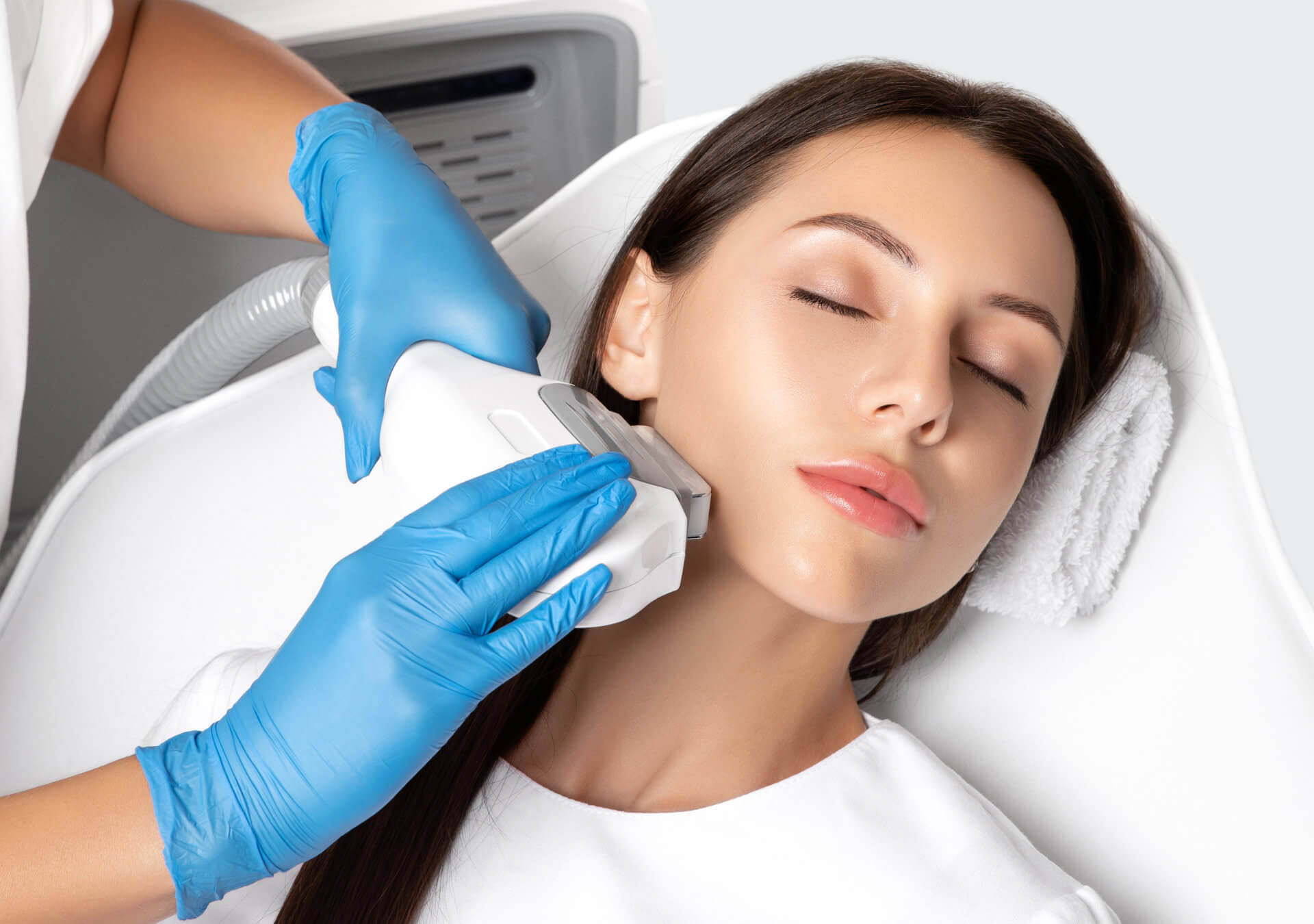
The best laser treatment depends on your skin concern, Fitzpatrick skin type and how much downtime you can tolerate. In general, fractional lasers address wrinkles and acne scars. Pulsed-dye lasers treat redness and visible vessels. Picosecond lasers target brown spots and tattoos. Diode lasers remove unwanted hair and rejuvenate the skin. At Aesthetica by Ridenour, a board-certified provider reviews your skin before recommending any device.
Why Is There No Single Best Laser Treatment?
Lasers differ by wavelength and pulse duration and are absorbed by different pigments. For example, a 595-nanometer pulsed-dye laser is absorbed by hemoglobin, the protein in red blood cells that gives them their color, so it is effective for treating redness. A 1550-nanometer fractional laser is attracted to water deep in the dermis, so it is able to remodel scars and wrinkles. The right laser for the right concern produces the best results and prevents negative side effects.
How We Match Lasers to Patients at Aesthetica
Your Skin Type and Fitzpatrick Scale
The Fitzpatrick scale classifies skin from Type I (light skin that always burns) to Type VI (deeply pigmented). While this scale is not perfect, it can help identify the right laser device. Darker skin contains more melanin, which can put it at risk of post-inflammatory hyperpigmentation with the wrong wavelength of laser light. Some devices are suitable to use for all skin types, while others can only be used on lighter skin.
The Depth and Nature of Your Concern
Each concern is in a different layer of skin. Sun spots and fine lines are more on the surface of the skin, but acne scars extend down into the dermis. Some lasers are made to treat superficially, while others penetrate beneath the skin.
Your Lifestyle and Downtime Tolerance
Some types of lasers produce pinkness on the skin for a day or two, but otherwise have no downtime. Others remove the outer layers of skin and come with five to ten days of visible healing. Both are good options, but the right choice depends on how much downtime a patient is willing to have. Someone with an event coming up will need a laser with less recovery.
Laser Treatment Comparison by Skin Concern
How Do Lasers Work for Skin Resurfacing?
Resurfacing lasers stimulate the skin through controlled injury so that it rebuilds with fresh collagen and elastin. Some lasers heat the dermal tissue without breaking the surface and provide more gradual improvement. Others vaporize microscopic columns of tissue to trigger a stronger remodeling response. The most intensive lasers remove the entire surface of dead, dull skin so newer, healthier skin can grow, but they come with more downtime.
How Do Lasers Work for Acne Scars?
Acne scars form when inflammation destroys collagen in the dermis, and the body cannot replace it. Tissue can also be more fibrous in acne scars. Lasers help the body to replace lost collagen and break down rigid scar tissue. Atrophic scars (boxcar, ice pick and rolling) are the easiest to treat with lasers.
How Do Lasers Work for Rosacea and Redness?
Persistent facial redness comes from dilated blood vessels near the skin’s surface. Vascular lasers target these vessels and cause them to collapse and be reabsorbed by the body. While rosacea cannot be cured by laser treatments, the symptoms can be greatly reduced by treating this redness and irritation with a laser every six to twelve months.
How Do Lasers Work for Brown Spots and Hyperpigmentation?
Pigmented lesions form when melanin clusters in the epidermis or dermis. Any skin type can develop hyperpigmentation, though it is especially common in patients with darker skin. Certain risk factors can lead to brown spots, such as sun exposure, hormone changes and inflammation from acne or skin injury.
Are There Non-Laser Light Treatments?
Yes, intense pulsed light (IPL) and broadband light (BBL) are non-laser devices that emit a spectrum of wavelengths rather than a single beam. Different filters can be used with these devices to treat brown spots and redness, and they can help improve the overall complexion. These light-based treatments are very good options for those who want the benefits of light treatments without downtime.
Important Laser Terms You Need to Know
- Ablative: Ablative lasers vaporize the top layers of skin. They produce dramatic results on deep wrinkles and severe sun damage, but require downtime.
- Non-ablative: Non-ablative lasers heat the dermis without removing surface tissue. Results build over multiple sessions with minimal downtime.
- Fractional: Fractional lasers treat microscopic columns of tissue and leave surrounding skin intact. This pattern speeds healing and lowers risk compared to fully ablative treatment.
- Chromophore: A chromophore is the tissue target that absorbs laser energy. Water, hemoglobin, and melanin are the three main chromophores in skin. Each laser is tuned to one of them.
Why Patients Across St. Louis Trust Aesthetica by Ridenour
Dr. Brock D. Ridenour, MD, FACS, is a board-certified facial plastic surgeon who has been in private practice in St. Louis since 2003. Patients choose Aesthetica because few other practices in the region carry the full range of lasers needed to treat every major skin concern under one roof. Your treatment is selected based on what works and what will most benefit your skin.
Frequently Asked Questions About Laser Treatments
How do I know which laser is right for my skin?
An in-person consultation is the only reliable way. Dr. Ridenour may recommend a single device or combine more than one to treat multiple concerns.
How many laser treatments will I need?
- Non-Ablative Resurfacing: Three to six sessions.
- Ablative Resurfacing: One or two sessions.
- Vascular and Pigment Treatments: Two to four sessions.
- Hair Removal: Six to eight sessions.
- Tattoo Removal: Five to more than ten sessions (depending on the tattoo).
How much does a laser treatment cost in St. Louis?
Exact pricing depends on the area treated, number of sessions, and device used. You will receive a quote during your consultation.
Can I combine different lasers?
Many patients benefit from combining a vascular laser with a pigment laser, or pairing fractional resurfacing with IPL for broader improvement. Sessions are spaced to protect healing skin.
Find the Right Laser for You With a Consultation in St. Louis.
Book a consultation with Aesthetica by Ridenour and get a plan built around your concern, your skin type and your schedule. Call 314-970-4407 or request an appointment online.
Further Reading




Contact us
Ready to discover what's possible? Schedule a consultation with our team and learn how we can help you achieve your aesthetic goals.