
How to Take 10 Years Off Your Face

Most people can see changes in their facial structure and skin after their 30s, but it can be difficult for the untrained eye to see exactly where these changes are coming from. At Aesthetica by Ridenour, we help patients pinpoint what is causing the face to look more aged. Once this is done, we have a wide range of regenerative and resurfacing treatments that can decrease the visible signs of facial aging and make you look more youthful.
What Makes the Face Look Older?
Loss of Volume
Volume loss comes from the shifting and deflation of facial fat pads and the thinning of bone beneath the skin. You may notice this as flatter cheeks, hollow temples, sunken under-eye areas and thinning lips. Fat pads start the shrinking process and begin to shift downward starting in the late 20s, and bone resorption accelerates after 40. Fullness in the upper face is replaced by heaviness along the jawline, and the nasolabial folds and marionette lines around the mouth and chin become more pronounced.
Dynamic Wrinkles
Dynamic wrinkles form from repeated muscle movement. Frowning, squinting and raising the brows all fold the skin in the same place thousands of times. Early on, these lines disappear when the face relaxes. After many years of folding, however, the creases etch into the skin and stay visible at rest. The most common areas for dynamic wrinkles are the forehead, the vertical lines between the brows known as the 11s and the crow's feet at the outer corners of the eyes.
Skin Quality Changes
Skin quality is the texture, tone and clarity of your facial tissue. Aged skin looks duller and feels rougher, and it may have other irregularities like scarring or enlarged pores. With each year, cell turnover slows, and dead cells accumulate on the surface. The skin loses the smooth quality that makes a younger face look bright. Fine lines start to appear below the eyes and around the mouth, and you may find that your skincare routine no longer works as well as it used to.
Skin Laxity
Laxity is the loss of firmness and elasticity in the skin itself. Collagen and elastin production drops by about 1 percent per year starting in the mid-20s. The skin no longer snaps back the way it once did, and this can cause sagging along the jawline and under the chin, with loss of elasticity and wrinkling on the neck.
Sun Damage and Hyperpigmentation
UV exposure causes the brown spots, blotchy patches and broken capillaries that make the face look more aged. Sun damage accumulates over decades, even on days that do not feel sunny. Melanocytes produce uneven clusters of pigment, and damaged blood vessels show as persistent redness. Most of what looks like aging is actually photoaging, and pigment and redness respond well to nonsurgical treatments.
How to Address Facial Aging
Neurotoxins
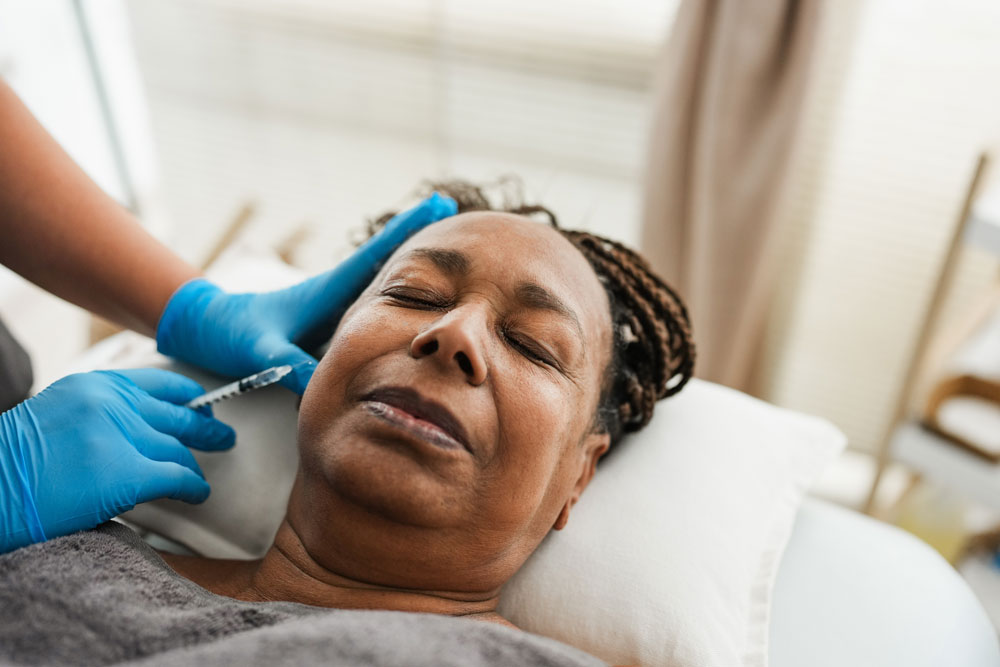
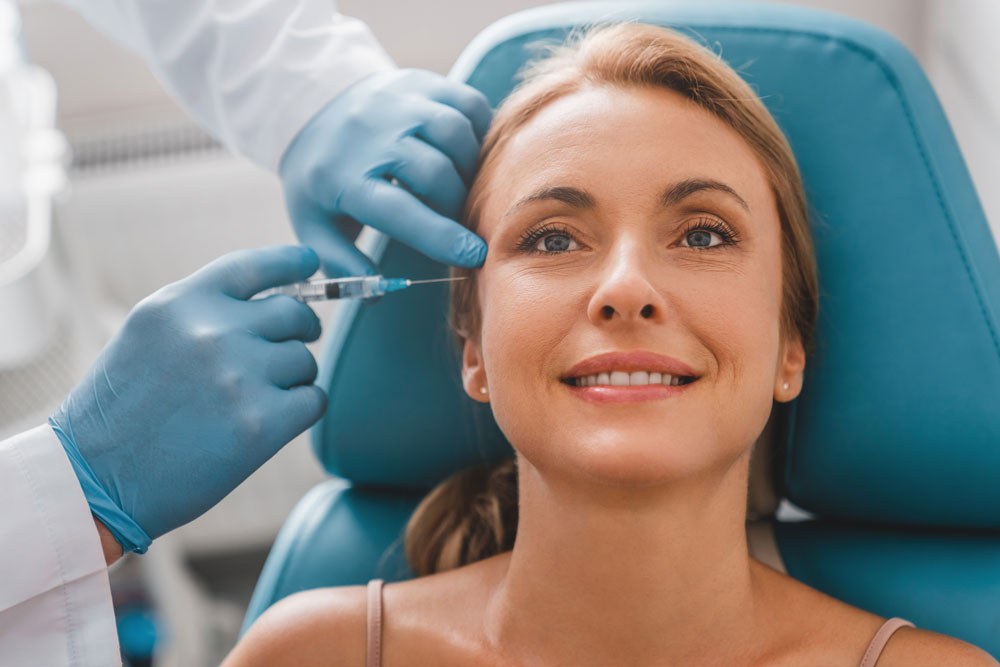
Neurotoxins like Botox® and Dysport® soften dynamic wrinkles by temporarily relaxing the muscles that cause them. A small amount injected into the forehead, glabella or crow's feet stops the muscle from contracting fully. Lines smooth out within a few days and stay softened for three to four months, and treatments can be repeated to maintain results.
Dermal Fillers
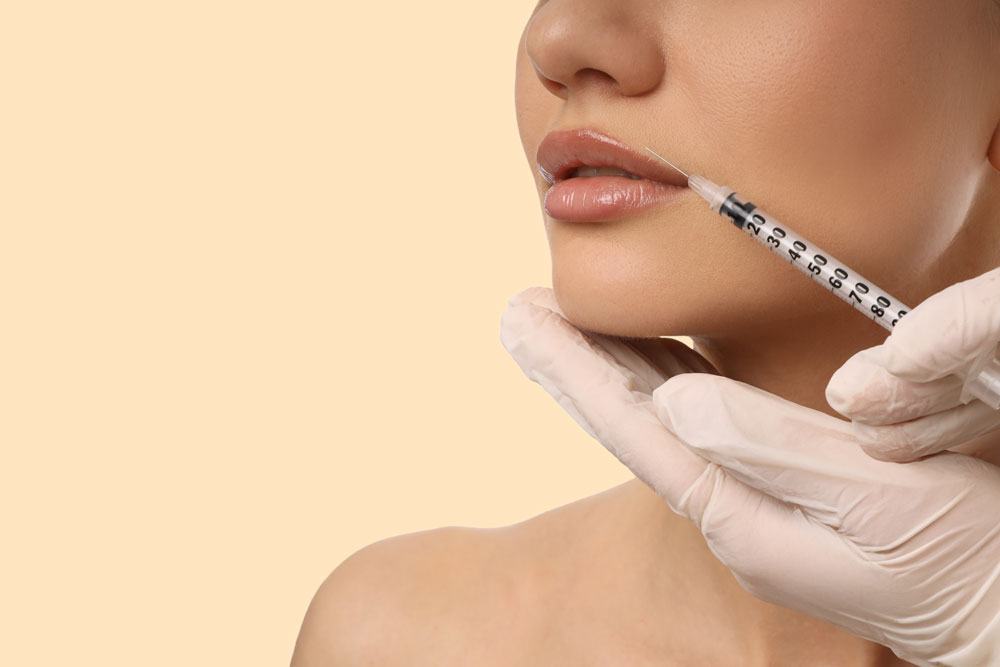
Dermal fillers replace lost volume. Most are made from hyaluronic acid, a substance the body produces naturally. When injected into the cheeks, temples, lips, under-eye hollows or along the jawline, fillers restore the contours that volume loss has taken away. Results are visible immediately and last six to eighteen months, depending on the product and placement.
Laser and Light Treatments
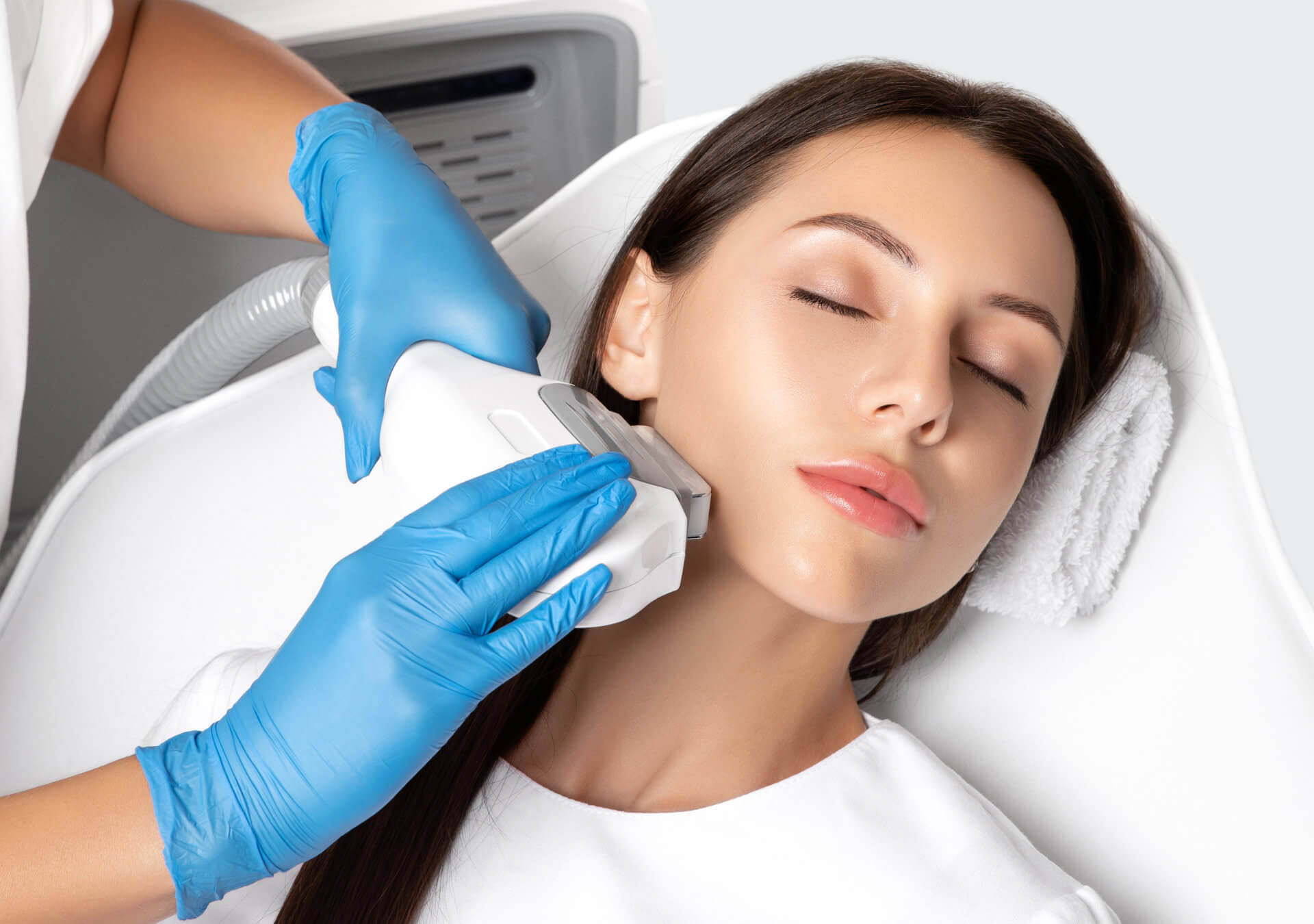
Laser and light treatments target the pigment, redness and texture issues that fillers and neurotoxins cannot treat. Broadband light treatments break up brown spots and clear visible blood vessels, which leaves the skin looking more youthful in just a few treatments. Resurfacing lasers remove the damaged outer layer of skin and stimulate new collagen underneath, while other lasers are designed to penetrate the surface of the skin without ablating it. Both lasers and BBL can give you skin that is brighter and less aged, with different wavelengths to address your main concerns.
Microneedling and RF Microneedling
Microneedling creates thousands of tiny channels in the skin with fine needles. The skin interprets these microchannels as injuries and responds by producing fresh collagen and elastin. After several of these treatments, the texture improves, pores look smaller, acne scars diminish and fine lines fade. RF microneedling adds radiofrequency energy delivered through the needle tips. The heat reaches deeper layers of the skin, tightening tissue and producing more dramatic improvement for laxity along the jawline and neck.
Stem Cells and Regenerative Treatments
Regenerative treatments use the body's own cells to repair aging skin. Nanofat takes a small sample of fat, processes it to isolate the regenerative cells and growth factors, then returns them to the face. These cells support the existing tissue rather than just adding volume. Patients see improvement in skin quality, color and resilience over the months following treatment as the new cells settle and integrate.
How to Combine Treatments for Maximum Results
No single treatment addresses every sign of aging. A face that has lost volume and accumulated sun damage can benefit from a careful combination of treatments. A treatment plan might pair neurotoxins for the upper face with fillers in the cheeks and a laser series for pigment. Microneedling or RF microneedling pairs well with stem cells, which help the skin heal after the treatment and provide their own anti-aging benefits.
The timing of combination treatments is important and may involve several months of staged sessions. The order will depend on your situation and which devices and products Dr. Ridenour uses. Once your skin is looking bright and youthful, you can schedule maintenance sessions to encourage the skin to continue producing collagen and renewing itself.
Schedule a Consultation in St. Louis, MO
The right combination of treatments depends on your face, your concerns and your timeline. Aesthetica by Ridenour offers all of the nonsurgical options described above in one location in St. Louis, MO. Dr. Ridenour is a board-certified facial plastic surgeon who understands facial aging and how to treat your skin from the inside out to look younger and more radiant. Call 314-970-4407 or visit us online to schedule a consultation.
Further Reading





Contact us
Ready to discover what's possible? Schedule a consultation with our team and learn how we can help you achieve your aesthetic goals.