
What Is Botox® Made Of?
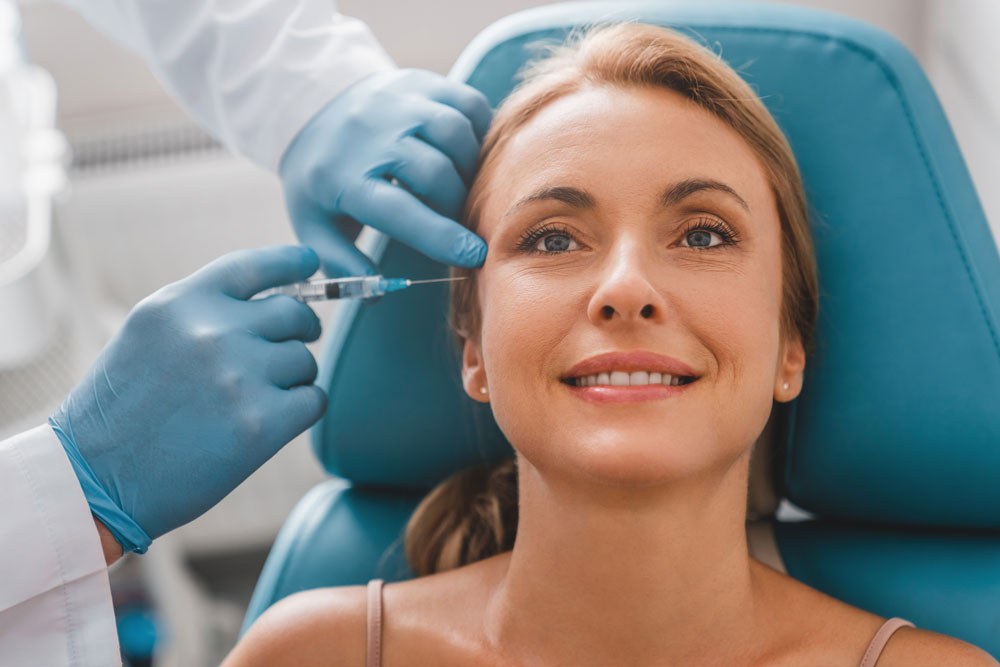
Botox is one of the most recognized names in aesthetic medicine, yet plenty of patients sit down for a consultation still unsure what the product is or how it does what it does. That curiosity is worth answering honestly.
At its foundation, Botox is a purified, highly diluted neuromodulator drawn from a bacterium that occurs in nature. The word "toxin" tends to raise eyebrows, which is fair. The version used in a medical setting bears little resemblance to anything harmful, because it is refined, standardized and given in carefully measured doses.
Knowing what goes into the vial and how it behaves once injected tends to put people at ease before their first treatment.
What Is in the Botox® Vial?
Botox Cosmetic is a prescription medication built around a purified form of botulinum toxin type A, a protein produced by the bacterium Clostridium botulinum. Refined and diluted, this ingredient relaxes targeted muscles in small, controlled amounts.
Each vial also contains two supporting components:
- Human albumin, a protein that keeps the formula stable
- Sodium chloride, which maintains the right balance for injection
Before your appointment, the product is reconstituted with sterile saline to reach the correct concentration. That flexibility lets Dr. Ridenour adjust dosing to the area being treated and what you want out of the result. The finished formulation is designed to act right where it is placed, without drifting into surrounding tissue.
How Botox® Works Beneath the Surface
Facial movement starts in the brain. When you raise your brows or squint, nerves release a chemical messenger called acetylcholine, which tells the muscle to contract. Repeat that motion tens of thousands of times over the years, and the overlying skin starts to hold a crease.
Botox interrupts that conversation. Injected into a specific muscle, it temporarily blocks acetylcholine from reaching the nerve ending. The muscle can't fire as forcefully, so it stays relaxed and the skin above it eases. When the dosing is done well, you keep your natural range of expression while the etched-in lines soften.
Why Botox® Targets Dynamic Wrinkles
Botox works best on dynamic wrinkles, the lines that show up because of movement rather than gravity or volume loss. The usual suspects are:
- Horizontal forehead lines
- Frown lines between the brows
- Crow's feet at the outer eyes
As skin loses elasticity with age, those folds linger a little longer each time. Since the wrinkles trace back to muscle activity, quieting the muscle addresses the cause, not just the crease, and can slow how deep those lines eventually set. For static lines that stay put even when your face is at rest, Botox is often paired with fillers or resurfacing to round out the result.
Is Botox® Safe?
Botox has one of the longest track records in aesthetic medicine. It first earned FDA approval for cosmetic use in April 2002 for frown lines between the brows, with additional approvals following for crow's feet and forehead lines. Decades of clinical study back it up.
Neuromodulators like Botox are also, by a wide margin, the most requested nonsurgical treatment in the country. According to the American Society of Plastic Surgeons, nearly 9.9 million neuromodulator injections were performed in 2024, more than any other minimally invasive procedure. That volume matters less as a popularity contest than as a reflection of how well the treatment has been studied and understood.
Because it works locally within the muscle rather than throughout the body, most patients breeze through it. Side effects tend to be mild: a little redness, swelling or tenderness at the injection points, gone within hours. The variables that actually move the needle on safety are technique, dosing and placement, which brings us to the part patients tend to underestimate.
What to Expect During a Botox® Appointment
An appointment is short and asks almost nothing of you beforehand. It opens with an assessment of how your face moves, since your expressions dictate where the product should go and how much you'll need.
The injections use a fine needle, and most people describe the feeling as a quick pinch. The whole thing usually wraps up in minutes. Afterward, you might notice slight redness or a few small bumps that settle within a couple of hours. There's no required downtime, though it's wise to skip strenuous exercise and avoid rubbing the treated areas for the rest of the day. Results build gradually, with the full effect showing in one to two weeks.
Why Your Injector Matters as Much as the Product
Here's the thing people miss: the vial is standardized, but the outcome is not. Placement, dosage, muscle strength and your individual anatomy all shape how the result looks, and a millimeter or a unit in either direction can be the difference between refreshed and frozen.
At Aesthetica by Ridenour, neuromodulator treatments are handled with that precision in mind. Care is directed by Brock D. Ridenour, MD, a dual board-certified facial plastic surgeon, alongside aesthetic nurse injectors trained under his standards. They evaluate how your muscles move before deciding where to inject, so expression stays intact while the lines you're bothered by relax. That judgment, more than the product itself, is what separates a good result from a great one.
Fewer Frown Lines, Same Face You Recognize
If you have been curious about Botox in the St. Louis area, a consultation is the easiest way to find out what it can do for your face. Reach out to Aesthetica by Ridenour through our contact form to set one up.
Further Reading






Contact us
Ready to discover what's possible? Schedule a consultation with our team and learn how we can help you achieve your aesthetic goals.